


Budget 2026: What the latest changes could mean for hospitality operators

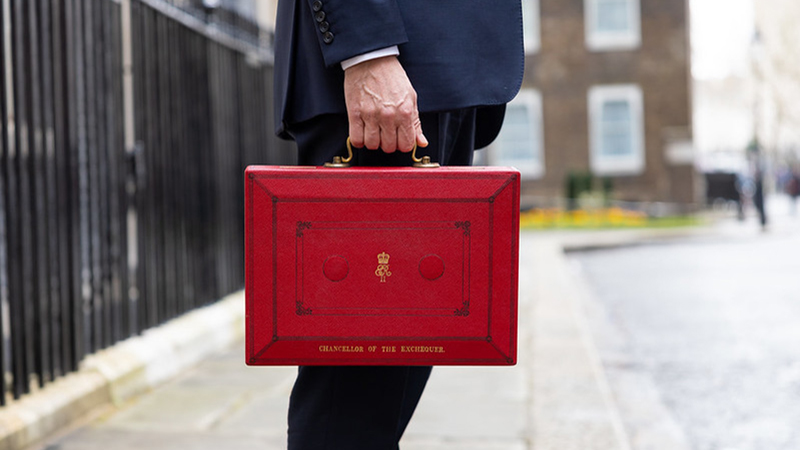

The 2026 Budget has delivered a mixed picture for hospitality businesses, with some measures designed to ease the cost of doing business, alongside further increases in key operating costs. The Budget may provide relief in some areas, but the overall message for hospitality remains clear: understanding your costs and continually looking for efficiencies will be critical to protecting profitability in the year ahead.
For operators already managing pressure across labour, food and drink, energy and other overheads, the announcements provide another reason to take a close look at budgets, margins and purchasing strategies for the year ahead. Here are some of the key changes and what they could mean for hospitality businesses.
Business rates: welcome relief for some operators
One of the more positive announcements was an increase in the threshold for small business rates relief for hospitality, leisure and retail businesses, from £12,000 to £18,000.
According to The Caterer, the government estimates this will remove around 70,000 businesses from paying business rates altogether. Business rates for remaining hospitality, leisure and retail businesses are also set to be frozen until 2028.
For eligible independent operators, this could provide some valuable breathing room. However, with other operating costs continuing to increase, understanding where any savings can be reinvested or used to strengthen margins will remain important.
Rising wages put further pressure on operating costs
Labour costs remain one of the biggest challenges for a people-intensive industry.
The Budget will see the minimum wage increase by 3.9%, from £12.71 to £13.20 an hour, while the rate for under-21s will rise from £10.85 to around £11.27. UKHospitality warned that the increase would place further pressure on hospitality businesses already dealing with substantial cost increases.
For operators, higher wage bills make productivity and cost control elsewhere in the business increasingly important. Menu engineering, reducing waste, and reviewing purchasing patterns can all play a role in protecting margins without immediately passing every additional cost on to customers.
Alcohol costs are also set to rise
Alcohol duty will increase in line with inflation from February, although £10m of annual alcohol duty relief is being introduced for small British brewers and cider makers.
Pubs, bars, hotels and restaurants may therefore need to consider the impact on drinks margins and whether their current range and pricing strategy remains appropriate.
Rather than relying solely on price increases, operators could look at the overall profitability of their drinks range, including identifying slower-moving products, reviewing pack formats and examining where alternative products could deliver better value.
VAT remains unchanged
Despite the hospitality campaign for a reduction in VAT, there was no change to the sector’s 20% rate. This follows the#VATsTheProblem campaign, which saw more than 800 hospitality businesses call on the Government to introduce a lower rate of VAT for the sector. Despite this industry pressure, VAT was left unchanged in the Budget.
For operators, this means many of the underlying cost pressures the sector has been managing remain firmly in place, increasing the importance of closely managing margins and finding efficiencies elsewhere in the business.
Alex Demetriou, founder of Regency Purchasing Group, welcomed the increase in small business rates relief as a positive step, but said he would have liked to see more support for British farmers and producers:
“The increase in small business rates relief is a great first step and will be welcomed by many of our members. However, with rising wage costs, many operators will feel those savings are quickly absorbed. I would like to have seen more support for British farmers and producers, so that more home-grown food can be sold at competitive prices. That would help the whole food and beverage sector, from the farm gate to the hospitality businesses we work with every day.”
What should operators be thinking about now?
The Budget reinforces the importance of looking at profitability across the whole operation rather than tackling individual cost increases in isolation. For operators, now could be a good time to review:
- Menu profitability: Understand which dishes generate the strongest margin, not simply the highest sales.
- Purchasing: Review product specifications, suppliers, pack sizes and buying patterns to identify potential savings.
- Waste: Look closely at preparation, portioning and stock management, particularly across higher-cost ingredients.
- Drinks ranges: Assess profitability across alcoholic, low-and-no, soft and hot drinks as alcohol duty changes.
- Labour efficiency: Consider whether menus and operating processes can be simplified without compromising the customer experience.
- Pricing: Take a considered approach to increases, understanding where customers are most price-sensitive and where there may be greater flexibility.
Finding savings beyond the obvious
With higher employment and alcohol costs coming alongside continued pressure on margins, small efficiencies across purchasing, menu design, stock management and waste can collectively have a significant impact.
At Regency Purchasing Group, this is where we can support operators. By reviewing purchasing and identifying areas where costs, specifications or supplier arrangements could be improved, we help our members to disover savings that help offset pressures elsewhere.
Contact us here to find out how we can support you.
Search