


Could changing licensing rules create new opportunities for hospitality operators?
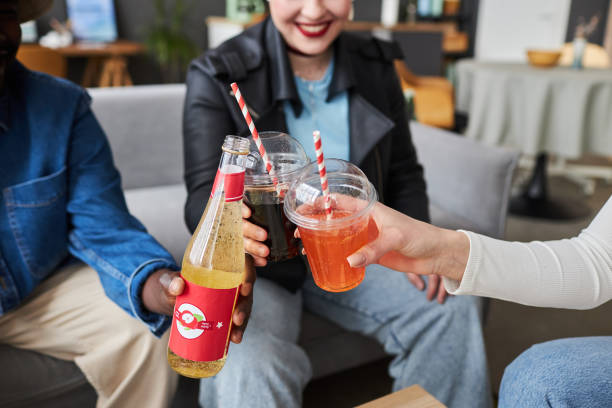

Hospitality operators are continually looking for ways to attract new customers, maximise quieter trading periods and ensure their venues remain relevant to changing consumer habits. A recent licensing application in Edinburgh has raised an interesting question around whether younger customers could represent another opportunity for the sector.
BBC News reported that Signature Pubs Limited has applied for permission to allow unaccompanied 12- to 15-year-olds into three of its Edinburgh venues to purchase food, snacks and soft drinks. Under the proposal, young people could visit individually or in groups of up to six until 8pm, with proof of age required and service restricted to face-to-face table service.
The application follows what the operator describes as demand for safe, family-friendly places for teenagers to visit after school, particularly as many coffee shops close by early evening. Importantly, a decision has not yet been made, with councillors pausing the application to allow site visits to take place.
While this is currently a local licensing application rather than a wider change in the rules, it highlights some interesting considerations for operators.
A new way to look at quieter dayparts
For some hospitality venues, the period between the lunchtime rush and evening service can be challenging. If appropriate licensing permissions are in place, creating an offer specifically designed for younger customers could provide another reason to visit during these traditionally quieter hours.
That doesn't necessarily mean reinventing the menu. Affordable food, snacks, hot chocolates, soft drinks and alcohol-free options could all help create an appealing after-school occasion while making better use of existing space and staffing.
Thinking beyond the traditional pub customer
The case also reflects a wider question for hospitality businesses: who is your venue designed for?
As operators look for incremental sales, broadening the occasions a venue can cater for could be just as important as attracting more customers during peak periods.
A venue might be a pub in the evening, for example, but its daytime and early-evening offer could potentially appeal to families, teenagers, remote workers and customers looking for alcohol-free social occasions.
For operators, that could mean reviewing:
- Menus and price points: Are there affordable snack, sharing and lighter-meal options for different audiences?
- Drinks: Is there enough choice beyond alcoholic and traditional soft drinks, including premium soft drinks, low-and-no alcohol products, and hot beverages?
- Dayparts: Are there quieter periods where a different proposition could bring in customers?
Opportunity needs to be balanced with responsibility
Councillors considering the Edinburgh application raised questions around behaviour, supervision and whether venues that sell alcohol are appropriate environments for unaccompanied young people. The operator's proposal includes several controls, including a maximum group size of six and a total limit of 21 young people, alongside age verification and table service.
That makes the story particularly relevant for operators. The commercial opportunity is only one part of the equation. Any move into new customer groups needs to consider staff training, licensing conditions, safeguarding, brand perception and the experience of existing customers.
What could this mean for operators?
Whether or not this particular application is approved, it provides a useful prompt for hospitality businesses to think differently about their customer base.
The bigger opportunity may not specifically be teenagers. Instead, it is about identifying customers, occasions and times of day that the traditional hospitality model may currently overlook.
With operators continuing to face pressure on costs and margins, making existing venues work harder doesn't always have to mean increasing prices or adding more covers at peak times. Developing the right offer for a previously underserved audience could provide another route to incremental sales.
Search